10 Things I Wish Every Patient Knew Before a Tummy Tuck
A Bangalore plastic surgeon on what tummy tuck recovery is actually like — swelling, the 4-week break, and the week-by-week exercise timeline.

In this article · 11 sections
- 1. Arrive in Your Best Physical Shape
- 2. Prepare for Residual Swelling (The Long Game)
- 3. Adjust to Smaller Meal Portions & Fix Deficiencies
- 4. Plan for a Full 4-Week Social/Work Break
- 5. Expect Post-Op Constipation
- 6. Build a Strong Support System
- 7. Follow a Graduated Exercise Timeline
- 8. Reset Your Mindset (Starting from Zero is Okay)
- 9. Follow Post-Op Instructions Strictly
- 10. Keep the Faith & Trust the Process
- Frequently asked questions
A tummy tuck is not a two-week inconvenience. Plan for a full four weeks at home, expect swelling for at least 8 weeks, and treat the 12-week mark — not the six-week one — as your return to real training.
1. Arrive in Your Best Physical Shape
A tummy tuck contours loose skin, addresses “hate handles,” and targets stubborn fat pockets. It works best on an already fit body. Continuing to smoke, drink, or coming in out of shape severely hinders healing and compromises your final result.
2. Prepare for Residual Swelling (The Long Game)
Compression garments manage fluid, but early swelling and bloating are inevitable. Your stomach will look expanded at first. Do not judge your results or obsess over the scale/tape measure for at least the first 8 weeks.
3. Adjust to Smaller Meal Portions & Fix Deficiencies
Reduced abdominal space means you will feel full faster. Learn to be satisfied with smaller portions to avoid discomfort. Correct any vitamin deficiencies (especially Vitamin D and B12 for vegetarians) before surgery to prevent fatigue and improve healing.
4. Plan for a Full 4-Week Social/Work Break
Returning to an active lifestyle in 2 weeks is unrealistic. Expect to spend 3 to 4 weeks recovering at home. Aside from basic daily needs (eating, drinking, getting out of bed), prioritize rest before resuming work or daily routines.
5. Expect Post-Op Constipation
Pain medications frequently slow digestion, leaving you feeling bloated and backed up. This is managed using medications like Dulcolax in varying doses and can fluctuate on and off for about a month.
6. Build a Strong Support System
Recovery requires dedicated care. Having to manage household needs or children during the first month delays healing. Secure a spouse, family member, or professional nurse so you can focus entirely on your recovery.
7. Follow a Graduated Exercise Timeline
Movement is allowed, but intensity must progress slowly based on your healing stage:
| Recovery Window | Approved Physical Activity |
|---|---|
| 0 – 2 Weeks | Gentle walking to promote leg circulation |
| 2 – 4 Weeks | Light stair climbing around your home or building |
| 4 – 6 Weeks | Light upper-body movements to boost lymphatic drainage |
| 6 – 10 Weeks | Core mobility and light muscle rebuilding |
| Beyond 12 Weeks | Return to pre-surgery fitness routines |
8. Reset Your Mindset (Starting from Zero is Okay)
Taking 12 weeks off from intense workouts will not destroy your progress. View this period as a necessary reset—even elite athletes step back to allow their bodies to heal and build back stronger.
9. Follow Post-Op Instructions Strictly
Your surgeon is as invested in your outcome as you are. Follow all post-care protocols without exception:
- Wear your compression garment 23 hours a day.
- Drink at least 2 liters of water daily.
- Consume adequate fiber and move your limbs every 2 hours.
These aftercare principles line up with the standard guidance on abdominoplasty recovery published by the American Society of Plastic Surgeons and the NHS.
10. Keep the Faith & Trust the Process
Surgery is a single event, but body contouring is a long-term dynamic between your body, mind, and surgeon. Temporary discomfort leads to long-term results—stay positive and trust the timeline.
Frequently asked questions
How long does it take to recover from a tummy tuck?
Plan for 3 to 4 weeks at home. Returning to an active lifestyle in two weeks is unrealistic.
How long does swelling last after a tummy tuck?
Early swelling and bloating are inevitable and the stomach looks expanded at first. Do not judge the result for at least the first 8 weeks.
When can I exercise again after a tummy tuck?
Gentle walking from week 0, light stairs from week 2, light upper-body work from week 4, core mobility from week 6, and a return to pre-surgery routines beyond 12 weeks.
Is constipation normal after a tummy tuck?
Yes — pain medication slows digestion. It is managed with medication such as Dulcolax and can come and go for about a month.
How long do I wear the compression garment?
23 hours a day, alongside at least 2 litres of water daily, adequate fibre, and moving your limbs every 2 hours.
Do I need to be fit before a tummy tuck?
Yes. The procedure works best on an already fit body. Smoking, drinking or arriving out of shape severely hinders healing.
Results from Dr. Amrika’s practice
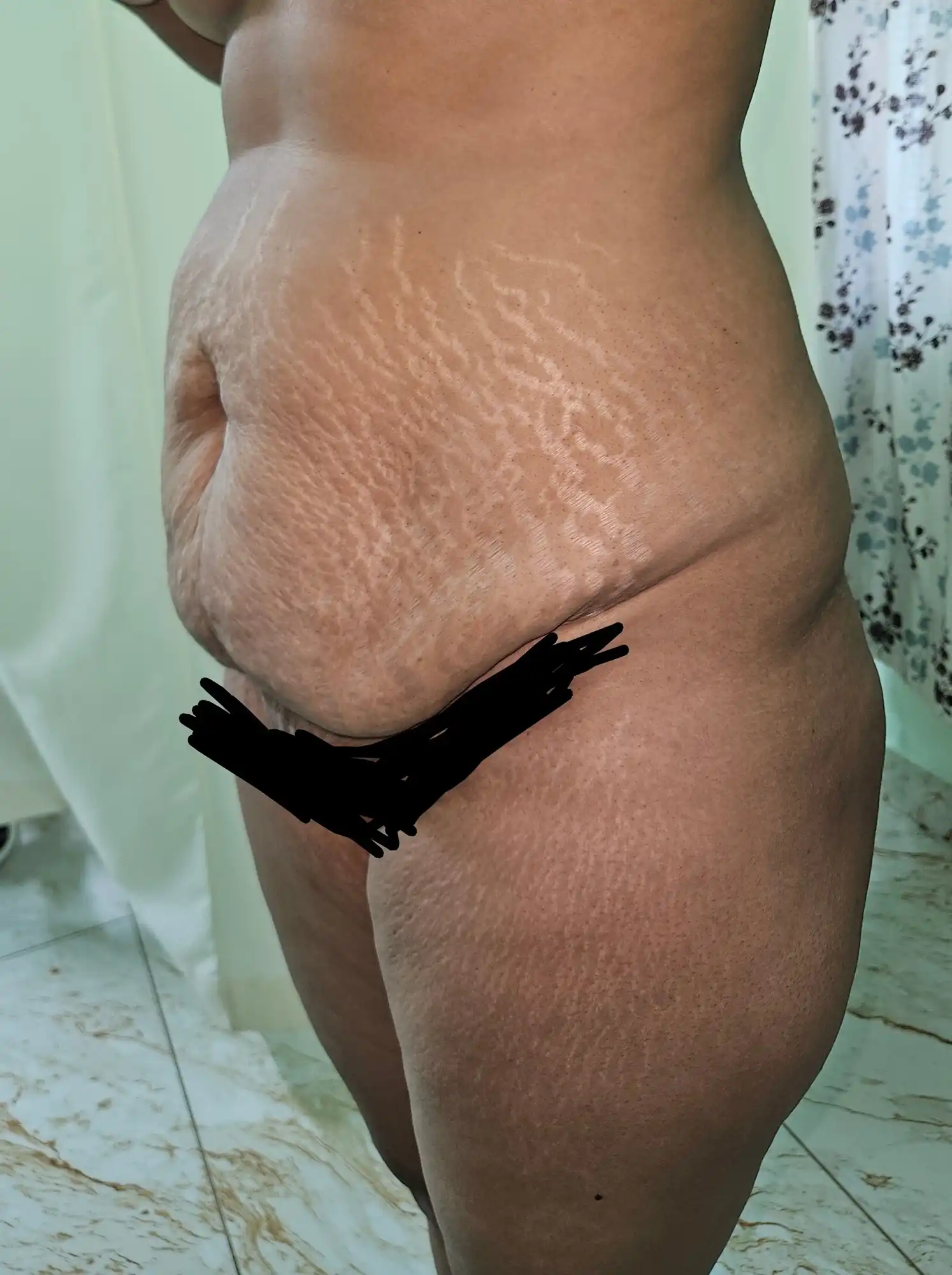
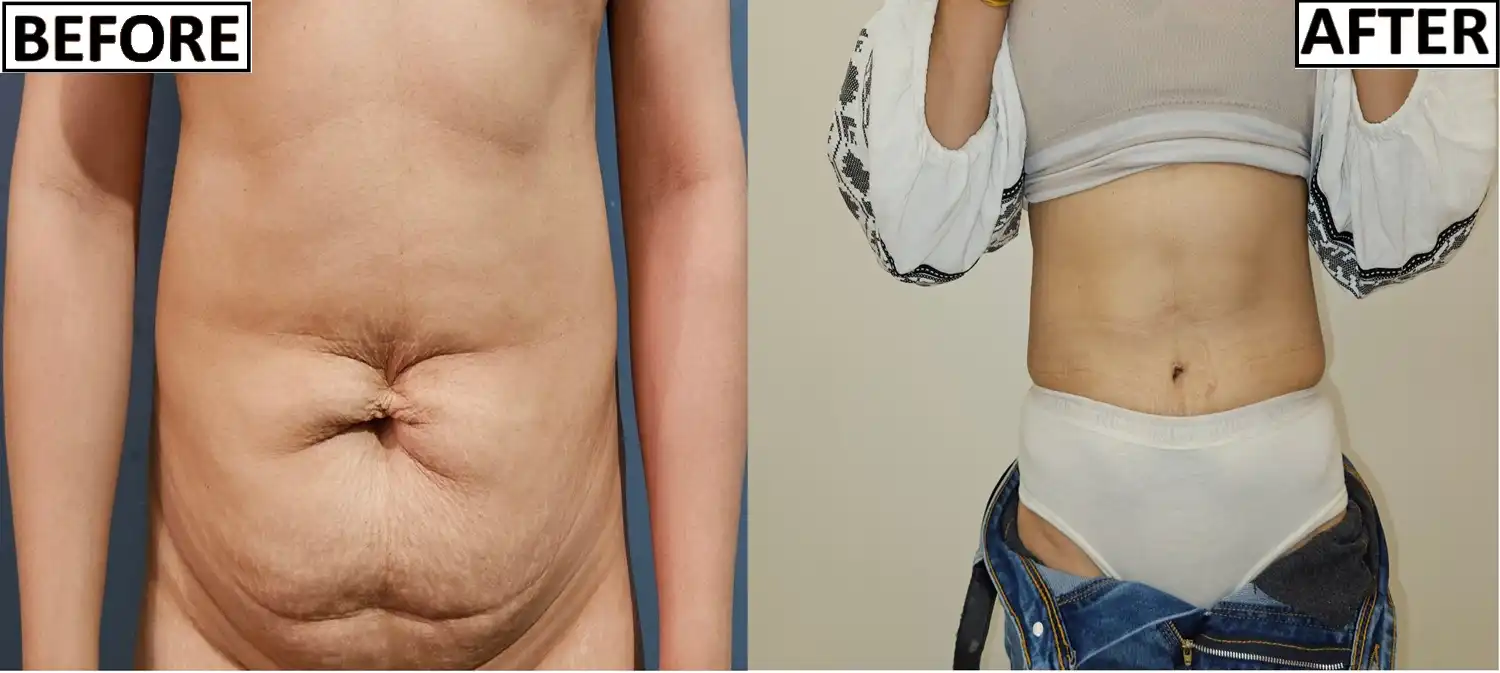
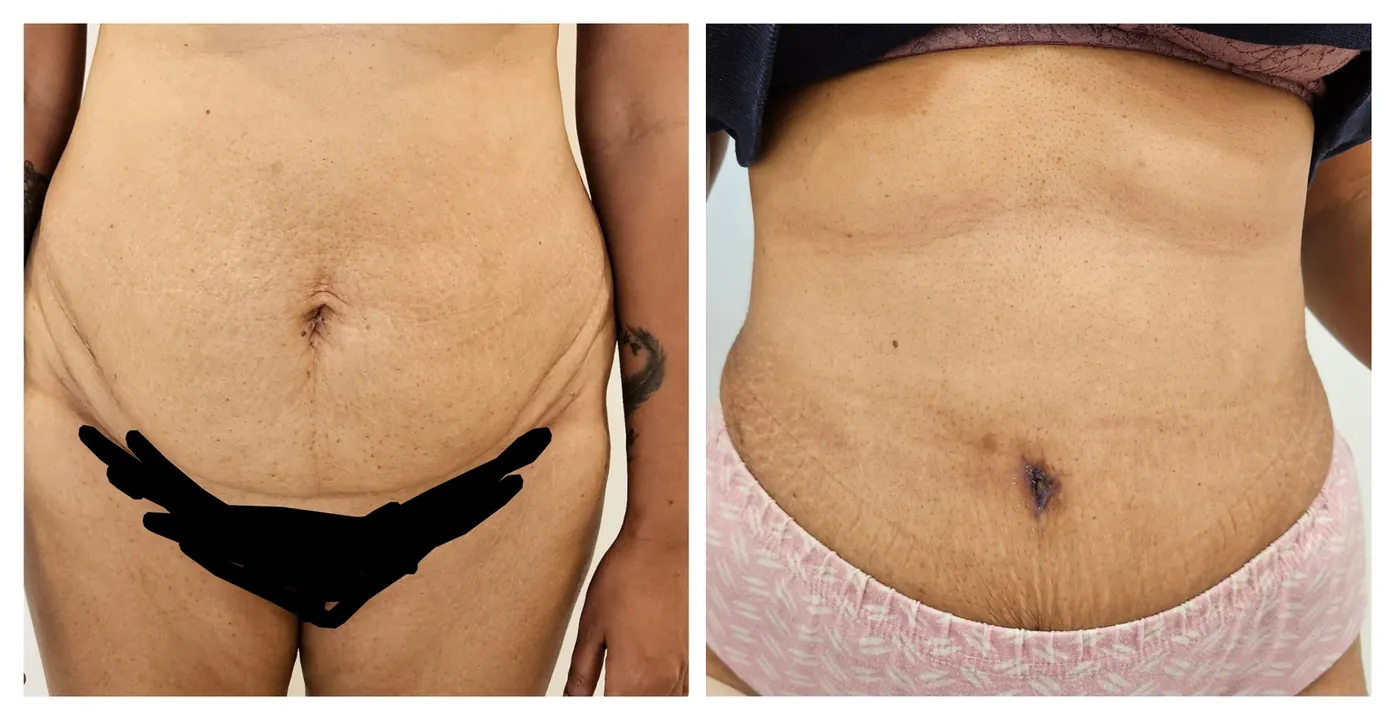 Tummy TuckHanging apron and stretch-marked skin removedView tummy tuck
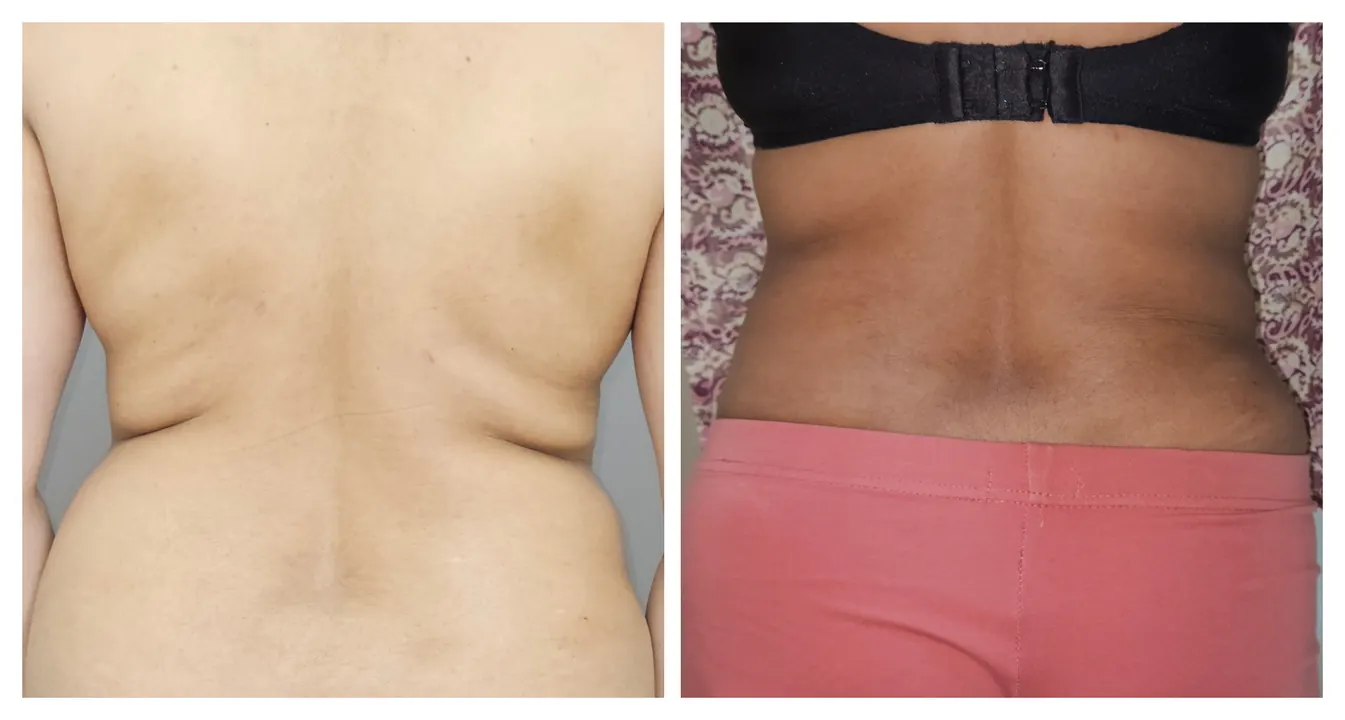 360° LiposuctionWaistline and bra-line fat sculptedView 360° liposuction
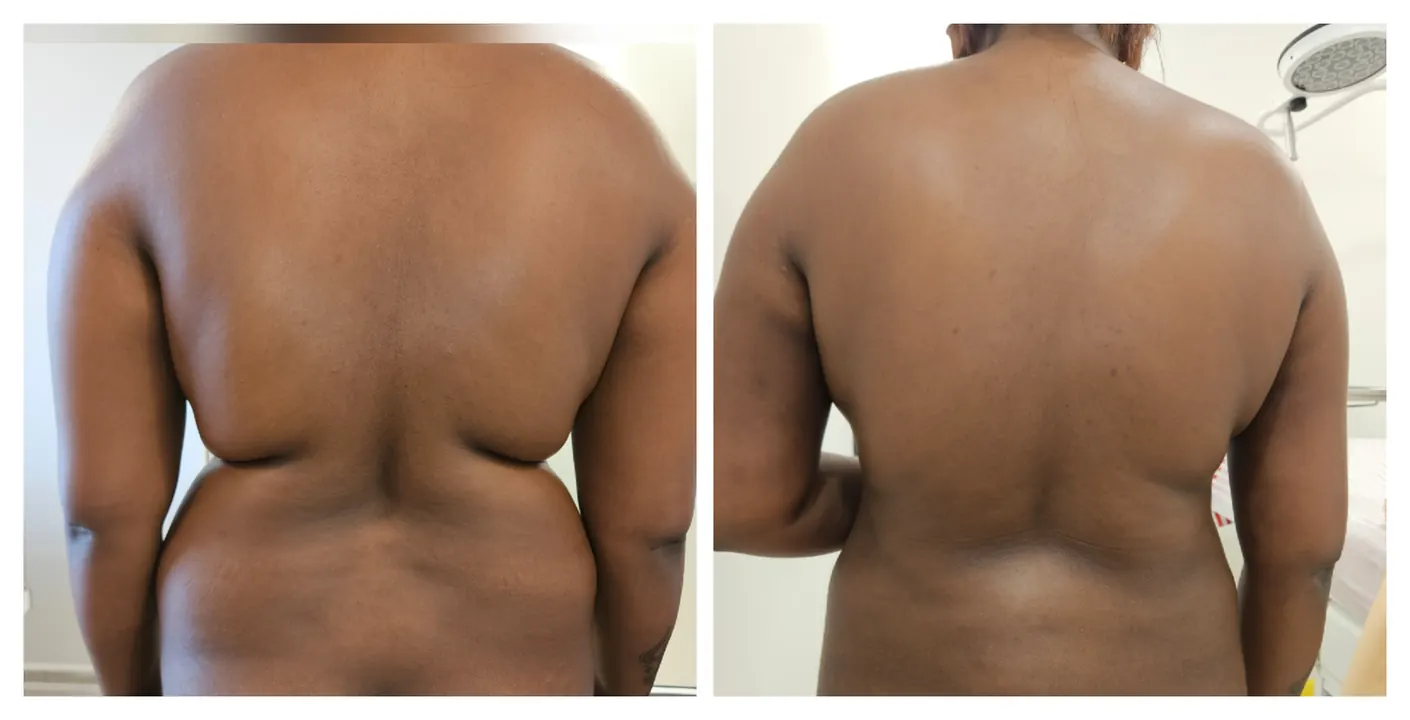 360° LiposuctionBack rolls, waist and flanks contouredView 360° liposuction
Shared with patient consent and masked for privacy. Individual results vary; these images are illustrative, not a guarantee of outcome.
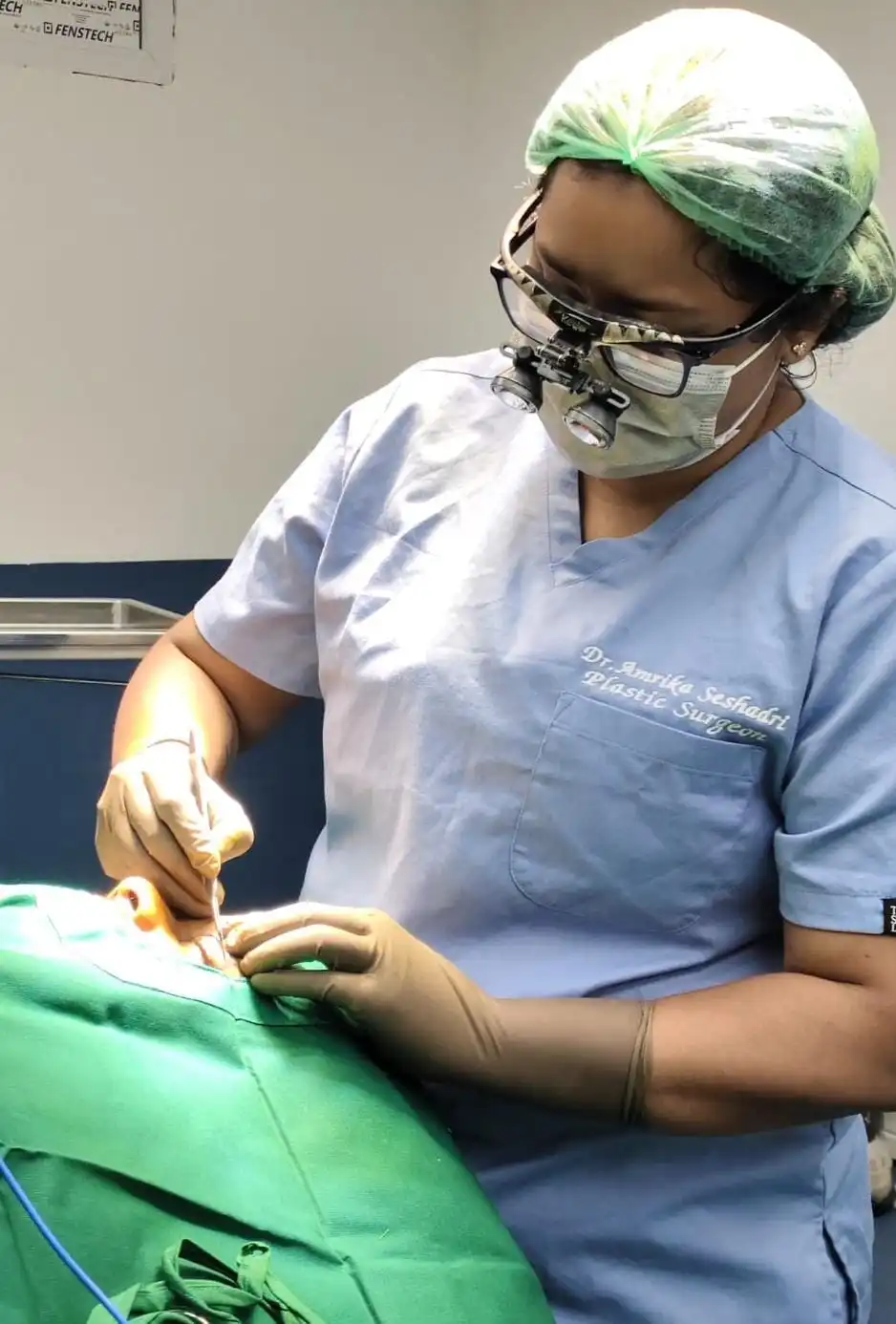
This article is general information from a practising plastic surgeon. It is not a substitute for a personal consultation: every body, and every surgical plan, is different.