Facial Trauma & Scar Revision in Bangalore
Expert repair of acute facial injuries and revision of old, disfiguring scars by Dr. Amrika Seshadri (MS, MCh). Multi-layered, tension-free closure and geometric scar re-orientation (Z-plasty / W-plasty) for fine, natural results — with special care for pigmented Indian skin.
How does Dr. Amrika treat facial trauma and revise old facial scars?
An injury to the face can be devastating, often leaving scars that alter identity and self-confidence. Dr. Amrika Seshadri (MS, MCh), a plastic and reconstructive surgeon with 11 years of standing, treats both fresh facial injuries and old, disfiguring scars at her Sarjapura Road clinic. Acute lacerations are best closed within the 72-hour golden window using multi-layered, tension-free micro-suturing (6-0 and 7-0) with deep SMAS suspension, so the surface skin rests without tension and avoids 'railroad track' marks. Old scars — wide, depressed, dark or tethered — are excised, released by subcision, or re-oriented with W-plasty or Z-plasty to sit inside natural expression lines. Pigmented Indian skin (Fitzpatrick IV–VI) is handled gently to prevent PIH and keloids. Most repairs are done under local anesthesia; your exact plan and cost are confirmed at your consultation.
Reviewed by Dr. Amrika Seshadri (MS, MCh) · Last updated 17 September 2026
Why choose Dr. Amrika for Facial Trauma & Scar Revision
Every surgery is conducted personally by Dr. Amrika (MS, MCh Plastic Surgery). Never delegated to assistants or medical generalists.
Dedicated Plastic & Reconstructive Surgeon (11 Years)
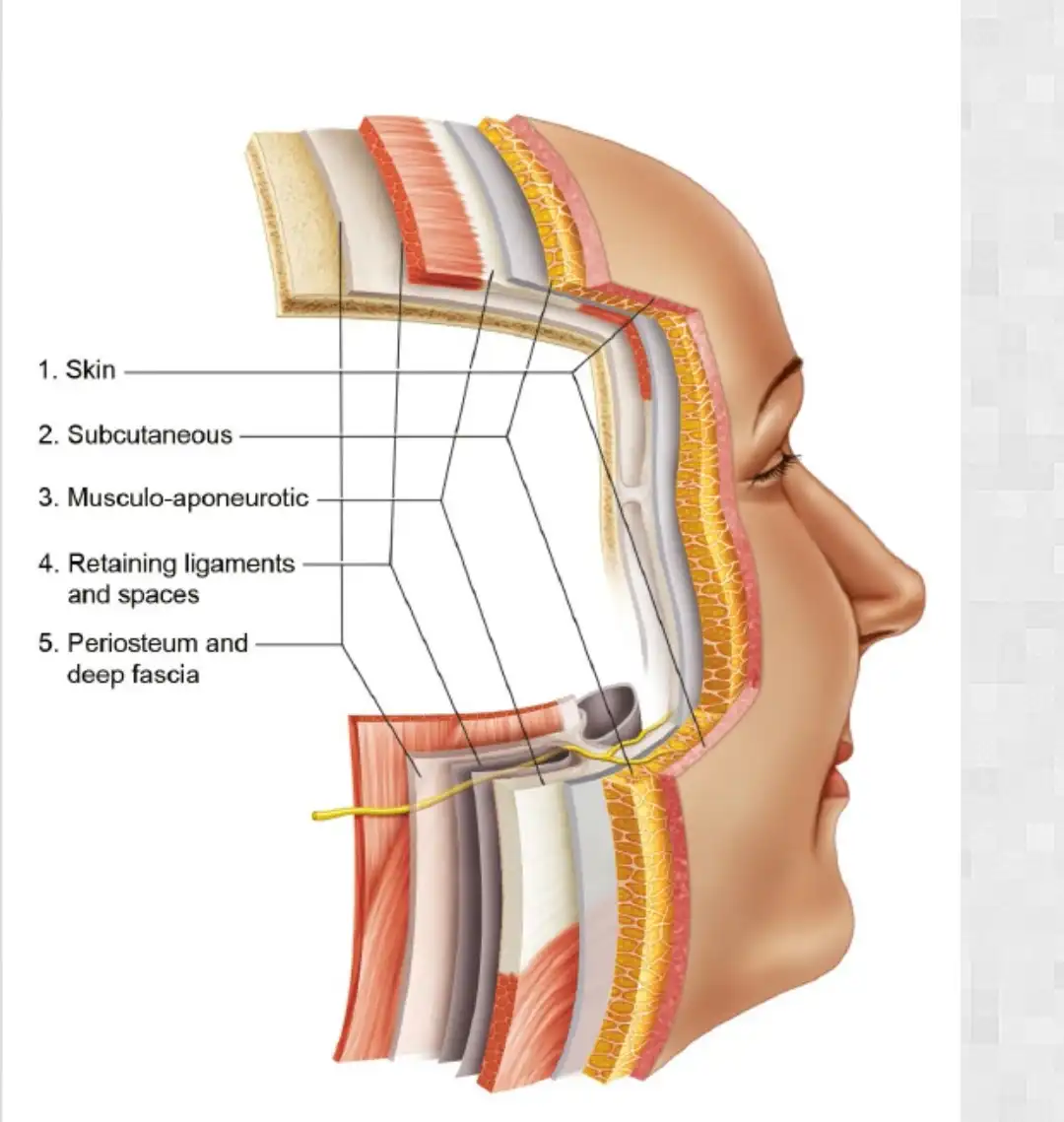
Facial repair is reconstructive artistry, not routine stitching. Every closure and revision is performed personally by Dr. Amrika Seshadri (MS, MCh), a plastic and reconstructive surgeon with 11 years of clinical standing, trained in the cranial nerves, mimetic facial muscles, and aesthetic subunits of the face.
Multi-Layered, Tension-Free Closure
Deep SMAS and dermal suspension sutures carry all of the mechanical tension, so the skin surface is approximated with ultra-fine 6-0 and 7-0 monofilaments under zero tension. This is what prevents the wide, depressed, 'railroad track' scars left by standard emergency-room closure.
Geometric Scar Re-Orientation (W-Plasty / Z-Plasty)
Straight, rigid scars that fight facial movement are broken into small, interlocking zig-zags and redirected along your Relaxed Skin Tension Lines (RSTLs), so the revised scar lies inside natural expression folds and becomes practically unnoticeable.
Specialist Care for Pigmented Indian Skin
Indian skin (Fitzpatrick IV–VI) is prone to post-inflammatory hyperpigmentation (PIH) and keloids. Gentle tissue handling, non-thermal bleeding control, and an immediate silicone-and-pigment-suppression protocol protect against dark or raised scars.
Our Tension-Free Repair & Scar Revision Protocol
A meticulous, multi-layer surgical protocol prioritizing structural aesthetics, minimal tissue trauma, and hidden incisions.
Aesthetic-Unit & Tension-Line Assessment
The fresh injury or old scar is mapped against the facial aesthetic units (lip margin, eyelid, nose, cheek) and your Relaxed Skin Tension Lines, so the closure respects natural facial boundaries and expression vectors.
Conservative Debridement / Scar Excision
For acute trauma, only non-viable tissue is removed under low-pressure saline irrigation — radical conservatism preserves every viable millimetre. For old scars, the rigid scar core is excised back to healthy, pliable dermis.
Deep SMAS & Dermal Suspension
Load-bearing absorbable sutures (4-0 / 5-0 PDS) re-approximate the SMAS and deep fascia, taking 100% of the movement tension off the skin. An inverted subdermal layer then aligns the wound edges precisely, without stepping.
Fine-Suture Epidermal Closure & Re-Direction
The outer skin is closed with ultra-fine 6-0 / 7-0 micro-sutures under zero tension. Where a scar runs against the expression lines, W-plasty or Z-plasty redirects its segments to lie parallel to the natural folds.
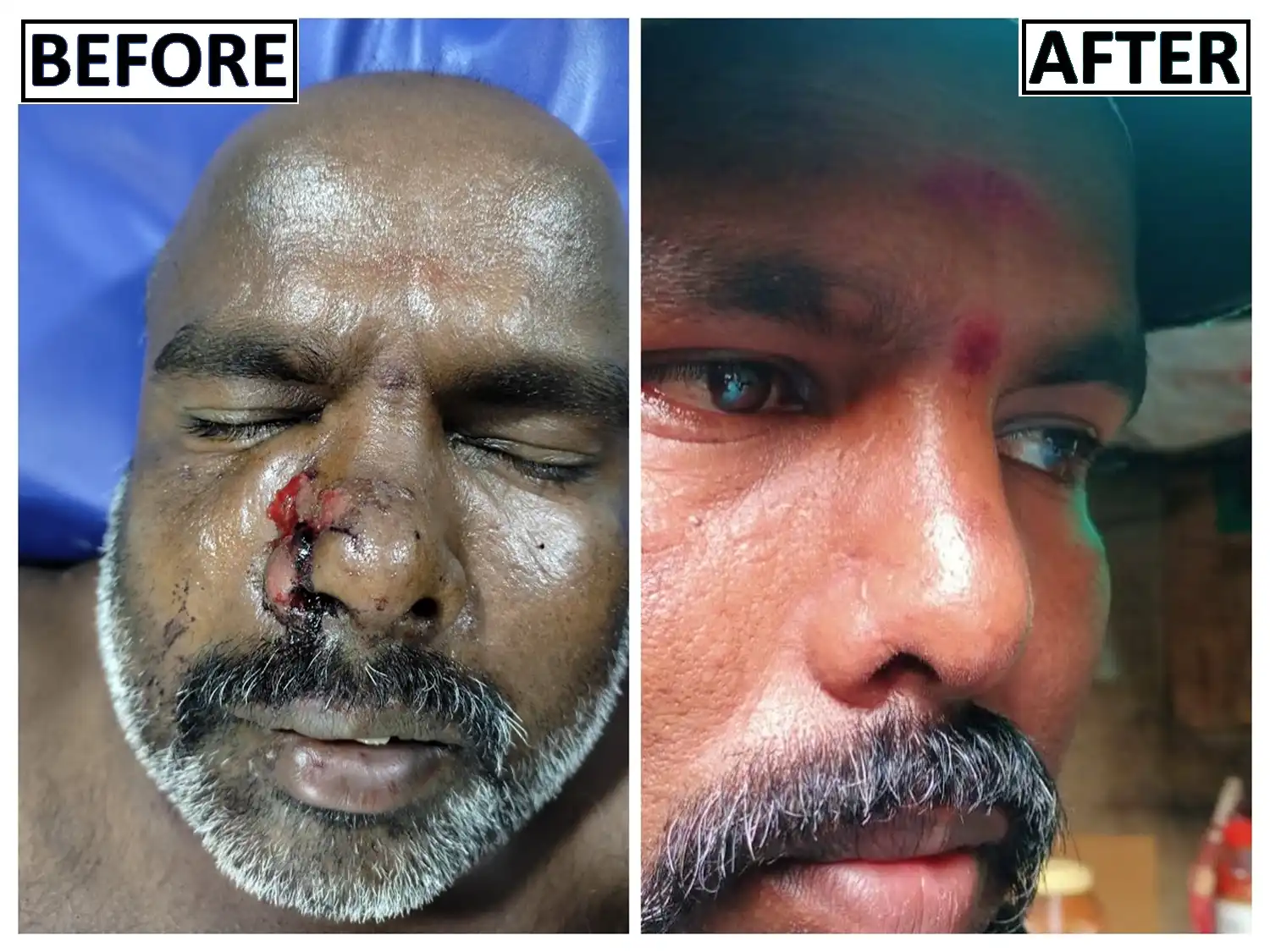
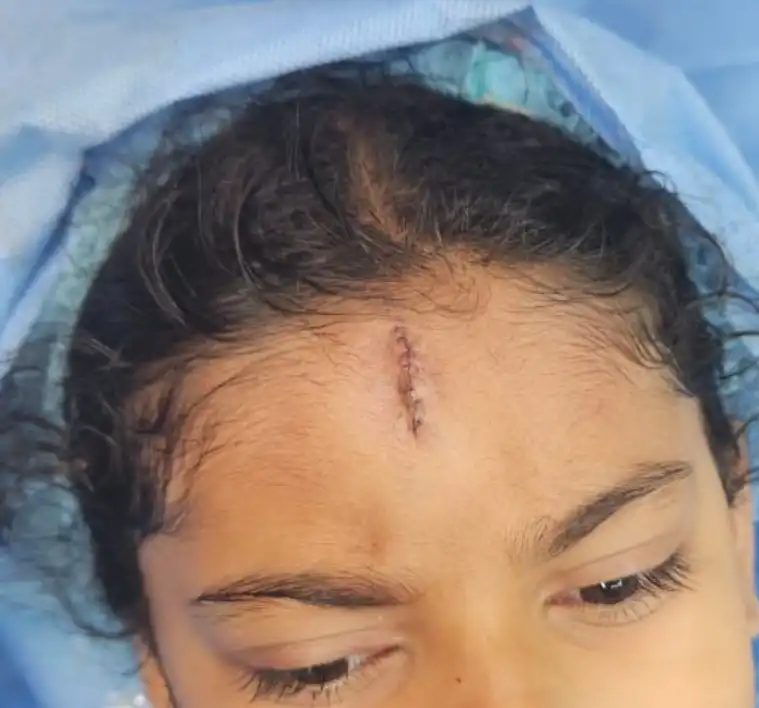
Documented cases: what this procedure involves.
Cases from Dr. Amrika’s own practice, published for patient education with each patient’s signed, anonymised consent. Identifying features are cropped or masked.
Facial Scar Revision — Tension Redistribution via Z-Plasty
Layered Facial Laceration Repair — Primary Aesthetic Realignment Without Railroad Marks
Aesthetic Subunit Principles — Alignment Along Relaxed Skin Lines
Individual results vary — these images are illustrative, not a guarantee of outcome. Shared with patient consent.
Facial Trauma & Scar Revision — Transparent Pricing
We believe healthcare pricing should be transparent. No hidden consumable line-items, no surprise theatre add-ons, and no aggregator markups.
Facial trauma repair and scar revision are quoted case by case — a small scar revision sits at the lower end, while extensive trauma or multi-stage revision reaches the upper end. Most acute traumatic injury repairs are covered by health insurance, and our clinic offers 100% reimbursement documentation support. Indicative pricing only — reconstructive cases vary widely; your exact quote is personalised to your assessment and confirmed at your consultation.
- Surgeon fee — Dr. Amrika Seshadri repairs and revises personally
- Local anesthesia / nerve block and sterile minor-OT facility
- Ultra-fine micro-suture materials (6-0 / 7-0 monofilament)
- Medical-grade silicone scar gel / sheeting and dressings
- Structured post-operative scar-management follow-ups
- 100% health-insurance reimbursement documentation support (trauma cases)
Recovery timeline & aftercare
Knowing what to expect at every milestone gives you complete peace of mind. Dr. Amrika directly oversees all follow-ups.
Rest, Icing & Protection
Mild swelling and bruising settle with head elevation and gentle icing. The suture line is kept moist and occluded with a medical-grade ointment, and strict sun avoidance begins on day one to prevent PIH.
Early Suture Removal
Facial surface sutures are removed early to stop epidermal cells growing down the thread into 'railroad track' marks; the deep SMAS sutures keep holding the structural layers. Camouflage makeup is usually safe a few days later.
Silicone & Pigment Control
Through the active collagen phase, medical-grade silicone gel or sheeting plus pigment suppressors flatten the scar and suppress hyperpigmentation. Deep vector scar massage is taught from around week three.
Scar Maturation & Refinement
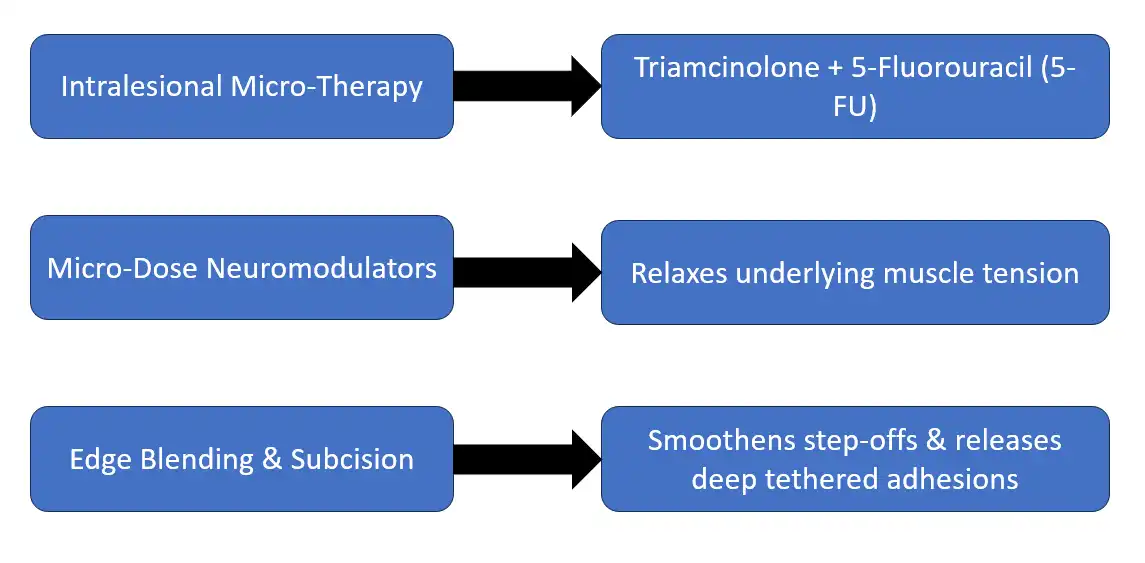
The scar remodels over 12 to 18 months, fading into a fine, flat line. If any thickening or darkening appears, targeted care — intralesional micro-therapy or a micro-dose neuromodulator — refines it.
Frequently asked questions
Straightforward, medically accurate answers directly from Dr. Amrika Seshadri.
Why is it so important to treat a facial cut within the first 72 hours?+
The first 72 hours are the golden window for facial repair. In this period the wound edges are still viable, soft and flexible, and bacterial colonisation has not yet set in. Closing a clean wound within 72 hours — with deep structural suspension and tension-free micro-suturing — gives the cleanest path toward an almost invisible scar. Priority scheduling is available for acute trauma.
I missed the 72-hour window, or my scar is years old — can it still be improved?+
Yes. Delayed scar revision is a core specialty of Dr. Amrika's practice. Whether a scar is six months or twenty years old, mature scar tissue can be surgically excised, released from deep tethers by subcision, or re-oriented with W-plasty or Z-plasty. A wide, dark, raised or tethered scar can be transformed into a fine, flat, discreet line — though no surgery restores skin to 100% uninjured.
How is a plastic-surgery repair different from a standard emergency-room stitch-up?+
A standard emergency-room repair prioritises stopping bleeding and quick closure, often with thicker sutures placed through all layers at once, under surface tension — which frequently leaves permanent 'railroad track' marks and a wide, depressed scar. Dr. Amrika works through a reconstructive lens: deep suspension sutures bear all of the mechanical stress, so the surface skin is approximated with ultra-fine 6-0 or 7-0 sutures under zero tension.
Why is Indian skin more prone to dark or raised scars, and how is that managed?+
Indian skin is predominantly Fitzpatrick IV–VI, with hyper-reactive melanocytes and highly active fibroblasts. Trauma, rough handling, tension or infection can trigger post-inflammatory hyperpigmentation (dark scars) or hypertrophic and keloid scarring (raised scars). Dr. Amrika manages this with gentle tissue handling (fine skin hooks rather than crushing forceps), non-thermal bleeding control, tension-free closure, and immediate silicone and pigment-suppression therapy.
Will I need general anesthesia?+
Most acute laceration repairs and elective scar revisions are done comfortably under a targeted local nerve block or local anesthesia — you stay awake, relaxed and comfortable, and avoid the systemic risks of general anesthesia. General anesthesia is reserved for very young children, highly anxious patients, or extensive trauma involving facial-bone fractures.
Is facial trauma repair covered by health insurance?+
Most health-insurance policies cover acute traumatic facial injury repair as a medical necessity, and our clinic provides 100% reimbursement documentation support to help with the claim. The right specialist for facial cuts and scars is a plastic and reconstructive surgeon — Dr. Amrika brings 11 years of dedicated experience in delicate tissue handling and minimal scarring.
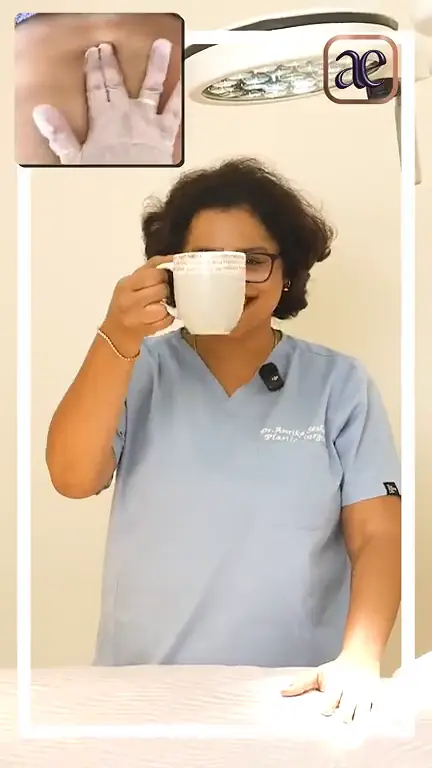
Watch Dr. Amrika explain this procedure
Direct surgical and anatomical guidance from Dr. Amrika Seshadri (MS, MCh Plastic Surgery).
Related procedures
Read before your consultation
Written by Dr. Amrika herself, for patients weighing this procedure.
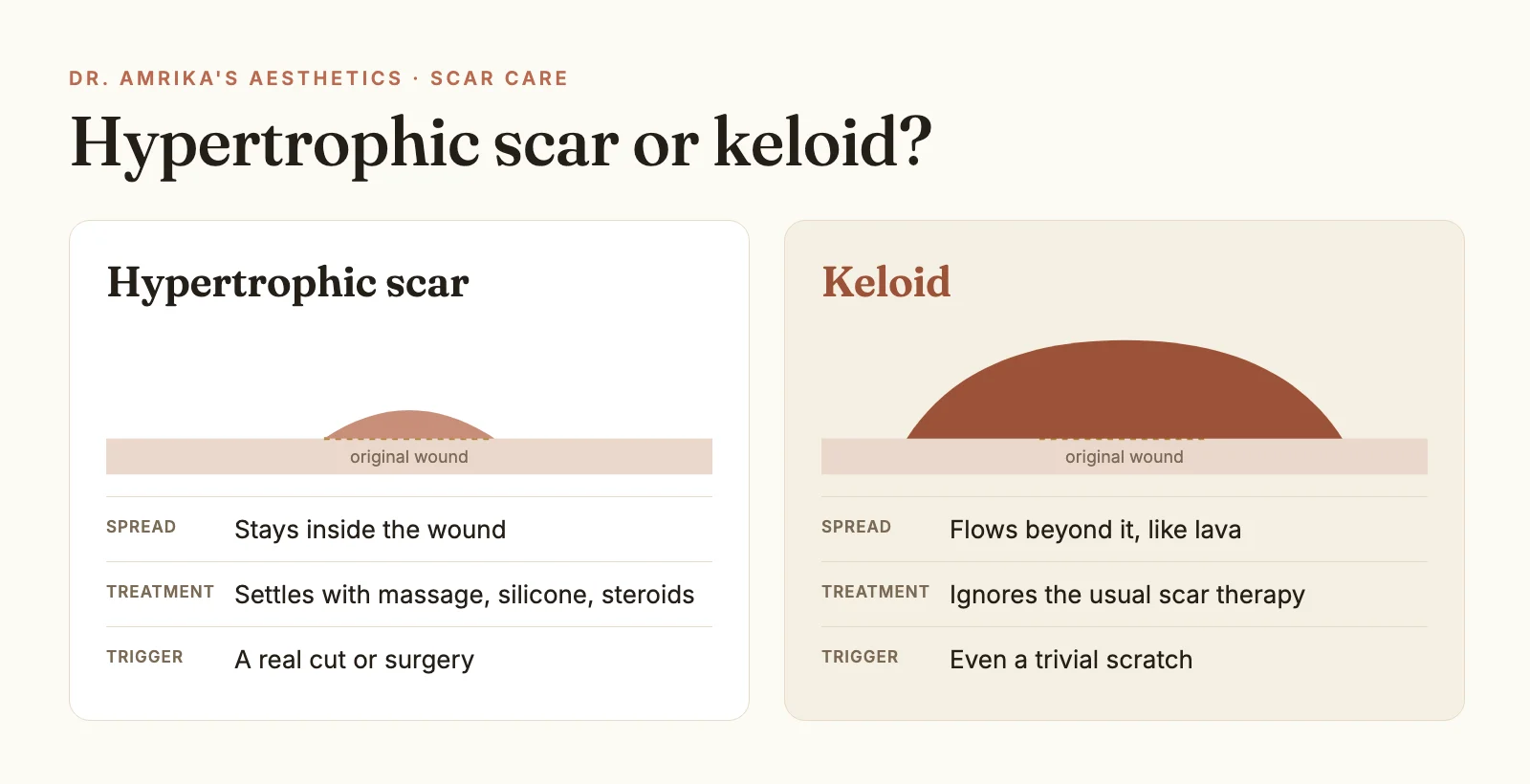
Is My Scar Okay? Hypertrophic Scars vs Keloids, Explained
Raised scar? Bangalore plastic surgeon Dr. Amrika explains hypertrophic scars vs keloids, the 3 ways to tell them apart, and how keloids are treated.
Read the articleTalk to the surgeon, not a call centre.
Speak directly with Dr. Amrika Seshadri (MS, MCh). Discuss your clinical goals in a private, unhurried consultation at Sarjapur Road.